Training, Assessments and Workshops
ASPP™ active shooter training teaches organizations to interrupt an attack while it is still being planned. That is the whole discipline. Everything below is a different way of getting an organization to the same place, and the right one depends on how much time you have, who is in the room, and whether you need people trained or a building examined.
All of it runs on the P.R.O. Model™, which stands for Prevention, Response, Options. The U.S. Department of Justice selected it as “A” national standard for active shooter prevention, first for the 2022–2025 cycle and again for 2026–2030. The P.R.O. Model™ is also in use at some installations and commands across the Department of Defense. The national training video built on it was produced for 10,700 Assistant United States Attorneys.
Which one do we need?
Most organizations arrive asking for training when what they actually need is an assessment, or the reverse. The short version: a keynote changes minds, a workshop changes behavior, an assessment changes the building. Programs that hold up over time usually end up doing all three, in that order.
| Engagement | Primary audience | What the organization is left with |
|---|---|---|
| Keynote | Whole staff, conference floor, membership | A shared vocabulary and the reason to act |
| Workshop | Managers, safety committees, threat teams | The ability to recognize and route a concern a |
| Site assessment | Facilities, security, executive leadership | Written findings on the physical building, ranked by what to fix first |
| Full-scale exercise | Leadership plus responding agencies | Evidence of what the plan does under load, rather than on paper b |
Source: ASPP™ engagement practice, P.R.O. Model™ as selected by the U.S. Department of Justice for the 2022–2025 and 2026–2030 cycles.
a Routing matters more than recognition. An organization where concerns are noticed but have nowhere to go performs no better than one where nothing was noticed at all.
b Exercises are scoped to the organization and to the agencies willing to participate. Scope is agreed before anything is scheduled.
What a site assessment actually examines
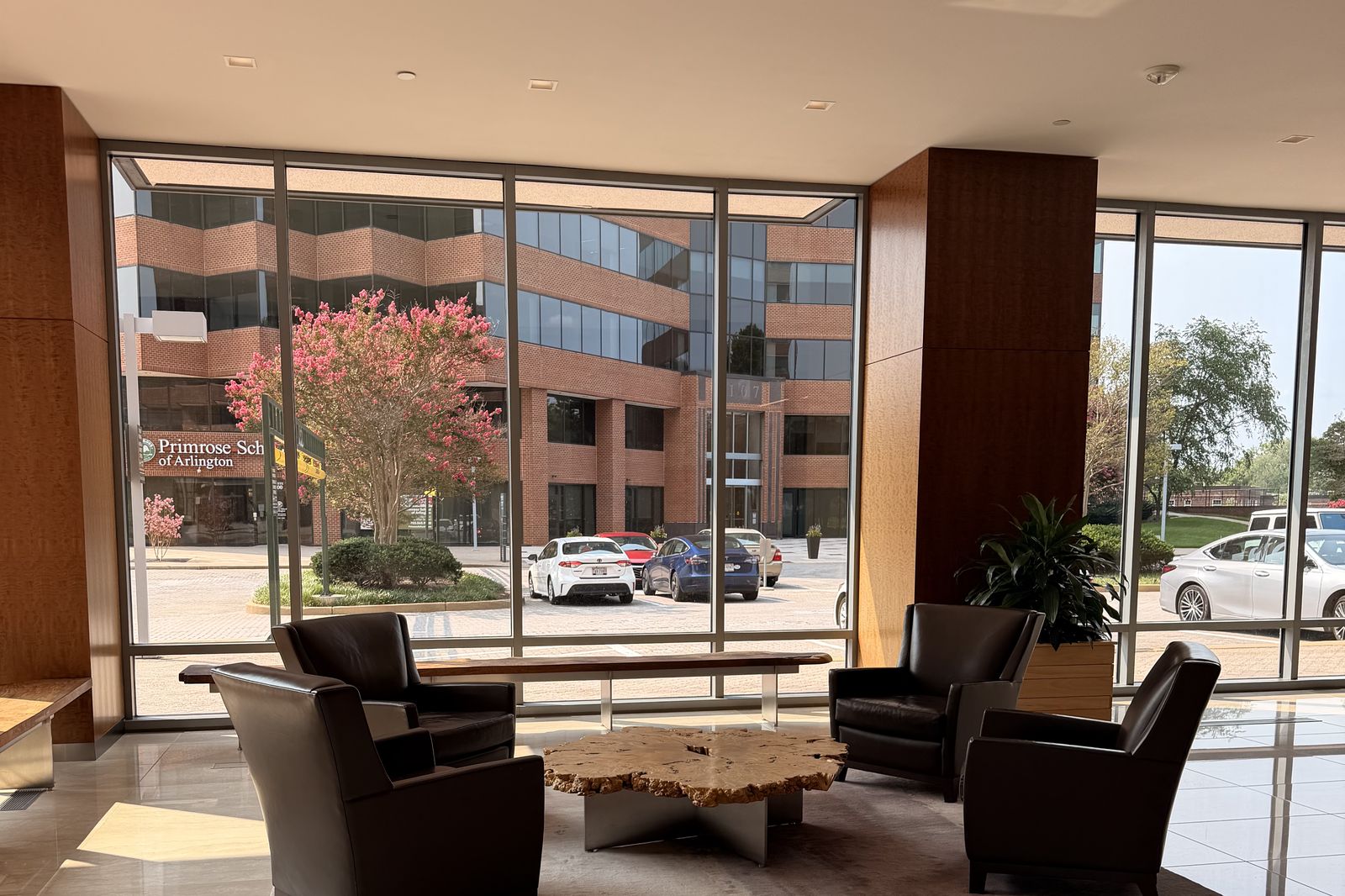
An assessment is a walk, not a questionnaire. We look at approach and standoff, at how a person reaches the front door and what happens after they do, at sightlines, at interior movement, at where a room becomes a dead end, and at the doors people prop open every morning because the badge reader is inconvenient. We look at what the plan says and then at what the building lets people do, which are rarely the same document.
Findings come back written and prioritized. Some of what we find costs money. A useful amount of it costs nothing and simply has not been noticed by people who walk past it every day.
We will not tell you the risk is gone. Residual risk never reaches zero, and any firm that says otherwise is selling something. What we will tell you is which gaps matter most, in what order, and what each one would take to close.
Why prevention and not just response
Attackers do not snap. There is a planning period, it is observable, and in the documented record it is measured in weeks and months rather than seconds. That is the window this work lives in. Response training assumes the attack has already started and asks how fast people move. Prevention asks a harder and more useful question: what would it have taken for this to be interrupted before anyone was in the hallway?
Both matter. We teach both. But an organization that only rehearses the worst day has accepted the worst day as inevitable, and it is not.
Who our active shooter training is built for
Active shooter training has to fit the room it is delivered in. Schools and districts, houses of worship, hospitals and medical campuses, corporate offices and manufacturing sites, stadiums and arenas, municipalities, and federal facilities. The setting changes what we examine. It does not change the framework.
ASPP™ work has included facility assessments across NBA and NHL venues, and Chris Grollnek, Chairman of the Board & Founding Principal, served as Active Shooter Prevention Coordinator for the National Football League at Super Bowl LVIII and again at Super Bowl LIX. He is a former U.S. Marine and retired police detective corporal, and has delivered more than 1,500 speaking engagements.
Common questions
How long does an assessment take?
It depends on the size and complexity of the site, and we scope it with you before anything is booked. A single building is not a campus, and a campus is not a district.
Do you sell the equipment you recommend?
No. We assess capability categories rather than promoting a product, and our findings are written to be vendor agnostic so that leadership can make its own procurement decisions.
Can active shooter training be delivered to people who are not security professionals?
Yes, and most of ours are. The people most likely to notice something are receptionists, teachers, floor supervisors and coworkers, not the security office.
Will this frighten our staff?
It should not, and if it does we have done it wrong. Be Prepared. Not Scared. People leave these sessions more capable, not more afraid, and that is the measure we hold ourselves to.
Can assessments support a grant application?
Yes. Written findings frequently become the evidence base for a security grant request, and we have written about how organizations use them that way.
Related reading
- Comprehensive Site Assessments for Enhanced Security
- How Grant Specific Security Assessments Can Help Your Organization Win Grants
- Full-Scale Training Exercises: Enhancing Emergency Response Preparedness
- Why Keynotes Matter Most
- Prepared Not Scared
- How Does Turnover Impact Your Crisis Preparedness?
- Filming the P.R.O. Model™ Training for the DOJ
- The Chaos Clock Keynote, World Police Summit
- Leading Safety and Security Conferences
- Suggested Readings for Preparedness and Beyond
- Reflecting on 9/11: Unity, Resilience and Preparedness
#NEVERHERE™ is the destination. The P.R.O. Model™ is how we get there.
The P.R.O. Model™ · P.R.O. Model™ Workshops · Request a consultation
Delivering on a federal contract? See our workplace violence prevention for federal contractors, scoped as a subcontract line.
Related ASPP Services
- Active Shooter Vulnerability Assessment. Where the seconds are lost, and what it costs to buy them back; the assessment that becomes a fundable prevention plan.
- Active Shooter Incidents and What They Teach. What past attacks reveal about the window before the first shot.
- Weapons Detection Technology. Detection, mapping and screening technology, including the Blue Grass Army Depot deployment.
- The Community of Experts. The subject matter experts who support ASPP engagements.
- Mission, Standards and Why We Do This. Who we are, the standards we hold, and why prevention comes first.
Further Reading
- Prevention Without The Premium. What complete prevention actually costs, and how to scale it.