
ASPP Solution Series · Post 3 of 4
You’ll Feel Better Leaving Than When You Sat Down: How ASPP Keynotes Became the Foundation of Active Shooter Prevention
A keynote is not a speech; it is a doctrine event compressed into a single room, and done correctly, it transforms how an entire audience thinks, responds, and acts under threat. The Active Shooter Prevention Project (ASPP) keynote standard is the only format that simultaneously frames the problem, makes prevention feel achievable, and establishes the shared language every organization needs before training, technology, or policy change can take root.
In Post 1 of this series, we established why the vulnerability assessment is the foundation of any defensible prevention strategy. In Post 2, we made our position unmistakable: ASPP will not stop, will not compromise the standard, and will not trade doctrine for convenience. Post 3 answers the question we hear constantly from procurement officers, superintendents, security directors, and executive teams: Why does the keynote come before the training? Post 4 will bring the full solution into view.
The Keynote Is the Doctrine Event
Every organization that has survived a violent threat event and every one that has prevented one has something in common: a shared mental model built before the crisis arrived. That model does not materialize from a policy binder or a thirty-minute compliance video. It is seeded in a room, under a capable facilitator, in real time.
The ASPP keynote is architected on the P.R.O. Model™, Prevention, Response, and Outcome, the same doctrine framework recognized by the Department of Justice, referenced in Department of Defense community integration guidance, and applied across facilities as hardened as the Bluegrass Army Depot and as open as a suburban house of worship. When doctrine is the spine of the presentation, the keynote does something no vendor pitch can do: it moves the room from anxiety to agency.
Our signature opening line has closed every keynote we have ever delivered: “You will feel better when you leave than when you sat down because we make this easy to digest.” That is not a comfort phrase; it’s a measurable outcome commitment. Audiences ranging from kindergartners to C-suite executives have validated it, and so have audiences who have experienced the threats we prepared them for.
“A doctrine event does not inform an audience, it transforms one. The room that walked in uncertain walks out unified and that unity is what saves lives when seconds matter.”
~ ASPP Prevention Doctrine
What Separates an ASPP Keynote from a Speech
A speech delivers information in one direction, while a keynote at the ASPP standard is a participatory event; audience engagement is not optional, it is structural. Every ASPP keynote is designed and delivered by master-level training experts with verified field experience. No motivational generalists or consultants who read the research in the morning, but rather people who have worked alongside law enforcement, emergency management, and defense stakeholders in complex, high-consequence environments.
Three Things Only the Keynote Format Can Do
- Frame the problem so an entire audience adopts the same mental model simultaneously, not in a follow-up email, not in a policy memo, but in the room, in real time.
- Make prevention feel possible rather than overwhelming, converting the paralyzing fear that typically follows a tragic news cycle into structured, actionable preparedness.
- Create a shared language, the vocabulary that makes everything downstream functional. Assessments, training programs, technology integration, and response protocols all perform better when the audience already speaks the same dialect of prevention.
The #NEVERHERE™ standard is not a slogan; it’s the destination of every keynote we deliver. When an organization leaves the room holding that standard and the janitor and the CEO use the same language, follow the same framework, and trust the same protocol, the probability of a successful prevention outcome rises measurably.
Why NDIA Selected ASPP for the Robotics Division Track
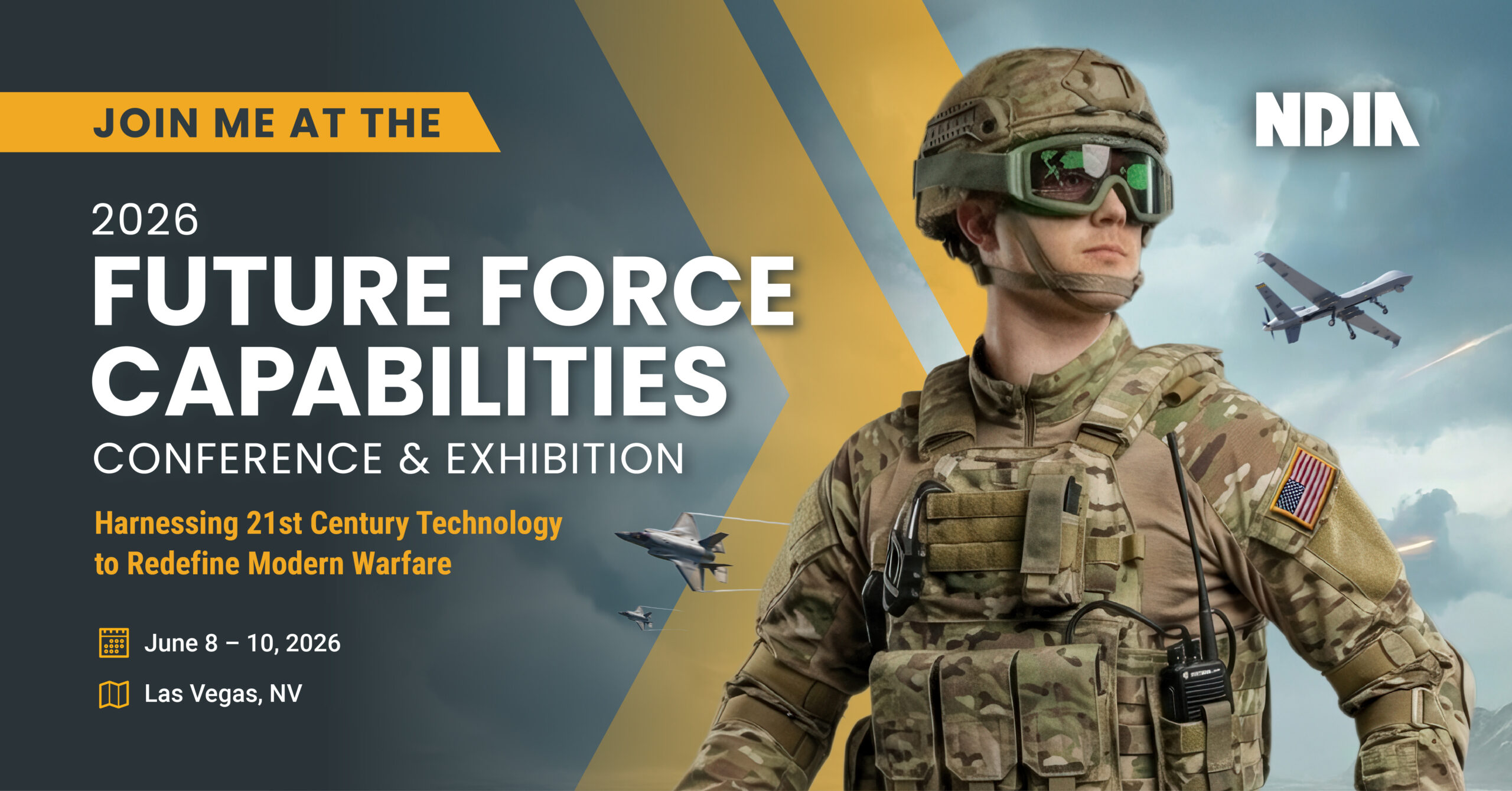
On Tuesday, June 9, 2026 at 9:40 AM Pacific, Chris Grollnek will take the stage at the National Defense Industrial Association (NDIA) 2026 Future Force Capabilities Conference & Exhibition in Las Vegas to deliver a solo breakout session in the Robotics Division Track titled:
“Autonomous Technologies for Proactive Threat Prevention in Complex Environments”
NDIA Future Force Capabilities Conference & Exhibition · June 9, 2026
The rooms will include General Wesley Clark (Retired), Lieutenant General David Deptula (Retired), Lieutenant General Miles Brown (Acting Commanding General, U.S. Army Transformation Command), NDIA CEO David Norquist, international defense ministry leaders, and senior executives from across the defense industrial base.
We share this not to impress, but to make a specific point: NDIA does not invite vendors to brief its Robotics Division Track; it invites people who can advance doctrine. The Defense Nuclear Facilities Safety Board (DNFSB), the Department of Defense, and now the National Defense Industrial Association have all arrived at the same conclusion through independent vetting: the ASPP prevention framework is operationally sound, technologically integrable, and replicable at scale.
This is what happens when a keynote is built on doctrine rather than theater: it travels. It earns invitations into rooms where policy is made. And long after the audience leaves, it becomes the reference point every one of them carries into the organizations they lead.
What Every Audience, from Youngest to Oldest, Takes Home
One of the defining commitments of the ASPP keynote standard is audience universality. We do not deliver one version for corporate clients and a diluted version for schools. The P.R.O. Model™ is designed to be affordable, accessible, and intelligible to everyone from the youngest student to the most senior executive, without sacrificing operational depth for either audience.
The incidents our prevention work responds to the thirteen, the seventeen, and the five are not statistics to us. They are failures of prevention that a doctrine-grounded keynote delivered to the right audience at the right moment could have prevented. That is the weight we carry into every room. It is also why we refuse to manufacture fear to sell urgency, because fear freezes, while preparedness moves.
Audiences We Serve
K–12 schools and universities. Houses of worship. Healthcare systems. Corporate campuses. Government facilities. Complex environments with layered access and multi-agency coordination requirements. Military installations and defense contractors. The keynote content scales to the audience without ever abandoning the doctrine core. That is the ASPP standard and is what full-service prevention looks like.
The Four-Part Solution Series in Context
This series was built as a deliberate sequence because prevention is a sequence; assessments reveal the gaps. The commitment established in Post 2 ensures we do not stop when the work becomes difficult. Keynotes seed the shared language. Keynotes seed the shared language and doctrine model that makes everything else possible. And the full solution Post 4 will show how assessments, training, technology, and ongoing support integrate into a single national standard built on the P.R.O. Model™.
No organization needs to wait for Post 4 to begin. The keynote is the right entry point for most organizations that are ready to move from anxiety to action. It costs less than a single day of reactive legal exposure. It delivers more measurable change than a compliance policy that no one has internalized.
Key Takeaways
- A keynote is a doctrine event, not a motivational speech it creates the shared mental model that all downstream training and technology depend on.
- The P.R.O. Model™ is the operational spine of every ASPP keynote the same framework recognized by DOJ, DoD, DNFSB, and now the National Defense Industrial Association.
- NDIA’s invitation to brief the Robotics Division Track is evidence that doctrine-grounded prevention keynotes belong in national security conversations, not just community safety conversations.
- The ASPP keynote standard is audience-universal equally effective for a third-grade classroom and a defense contractor boardroom without diluting operational depth.
- Audience participation is structural in every ASPP keynote it is what converts information transfer into genuine preparedness.
Ready to Put Prevention Doctrine in Your Room?
Book a keynote. Request an on-site seminar. Schedule a vulnerability assessment. Every engagement begins at the standard of the P.R.O. Model™, and every audience leaves with the language, the framework, and the confidence to act.
Because the best active shooter incident is the one that never happens here.
#NEVERHERE™
Active Shooter Prevention Project, LLC · aspppro.com · Chris Grollnek, Active Shooter Expert · P.R.O. Model™ · #NEVERHERE™
Fully insured. Available nationally and internationally. Serving schools, houses of worship, corporations, government, and complex environments.
Share this article

Written by : Chris Grollnek
Active Shooter Expert Chris Grollnek (#activeshooterexpert) is a highly sought-after international public speaker, trainer, educator, writer, and director and has appeared in numerous documentaries. Active Shooter Expert Chris Grollnek also provides specialized consulting services to Fortune 500 companies and special events. Grollnek has testified about the Terrorism and Counterterrorism training needs of the United States and beyond before the U.S. Senate Ways and Means subcommittees in the Hart Senate office building in 2002. Leading up to his testimony before the U.S. Senate, Chris Grollnek was invited by the Center for Strategic and International Studies (CSIS) in Washington D.C. to provide insight to Ph.D. and Senior Executives Staff of the U.S. Government on subterranean training, complex curriculum development, and public lectures.
Latest articles
June 5, 2026
June 5, 2026
June 5, 2026
