Updated September 2026. Written by the team at Active Shooter Prevention Project™ (ASPP™).
What Is Active Shooter Prevention for Public Safety: Military Installations, Fire Departments and Airports?
Short answer. Active shooter prevention for public safety agencies is the work done on the front side of an incident. It teaches every person with access to a military installation, a firehouse or an airport what a concerning behavior looks like, exactly where to move it, and how to act in the first minutes if prevention fails. Ours is the P.R.O. Model™, Prevention, Response, Options. The U.S. Department of Justice selected it as “A” national standard for the Assistant United States Attorneys and across the Department (2022 to 2025 and 2026 to 2030). It is in use at some installations and commands across the Department of Defense.
The population, the perimeter and the law change from a school to a flight line. Where the seconds are won does not change.
Why does active shooter prevention for public safety start on the front side?
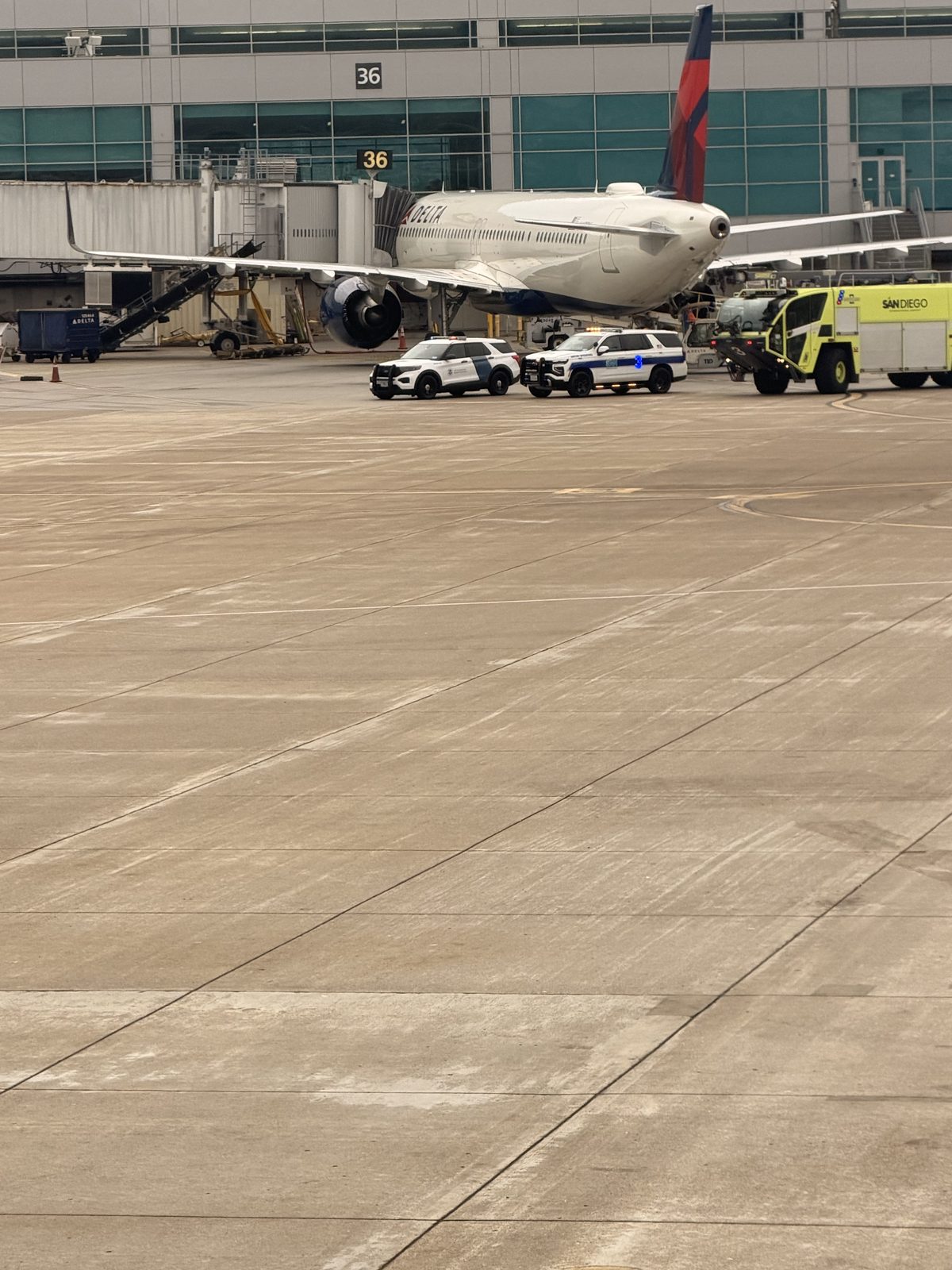
Because the people in these photographs already understand prevention; they practice it for a living. Firefighters turned fire from a killer of schoolchildren into a code, an inspection, a drill and a sprinkler head. For nearly seventy years, not a single child in an American school has died in a fire. Airport operators run a certificated emergency plan every day of the year. Installation commanders carry antiterrorism and insider threat programs by regulation.
ASPP™ brings the piece those programs were written to buy and rarely get. Our training teaches every person with access what a concerning behavior looks like and exactly where to move it. The threat assessment team then hears about it while there is still time to act.
That is the front side. The back side, the response, still matters, and we teach it. Most active shooter incidents are over inside eight minutes. Law enforcement normally needs more than eight minutes to arrive, so the first minutes belong to whoever is already there. Every hour of training that makes those first minutes unnecessary is worth more than any hour spent making them survivable. Prevention first does not weaken response; it makes response the last layer instead of the only one.
What does the record say about military installations?
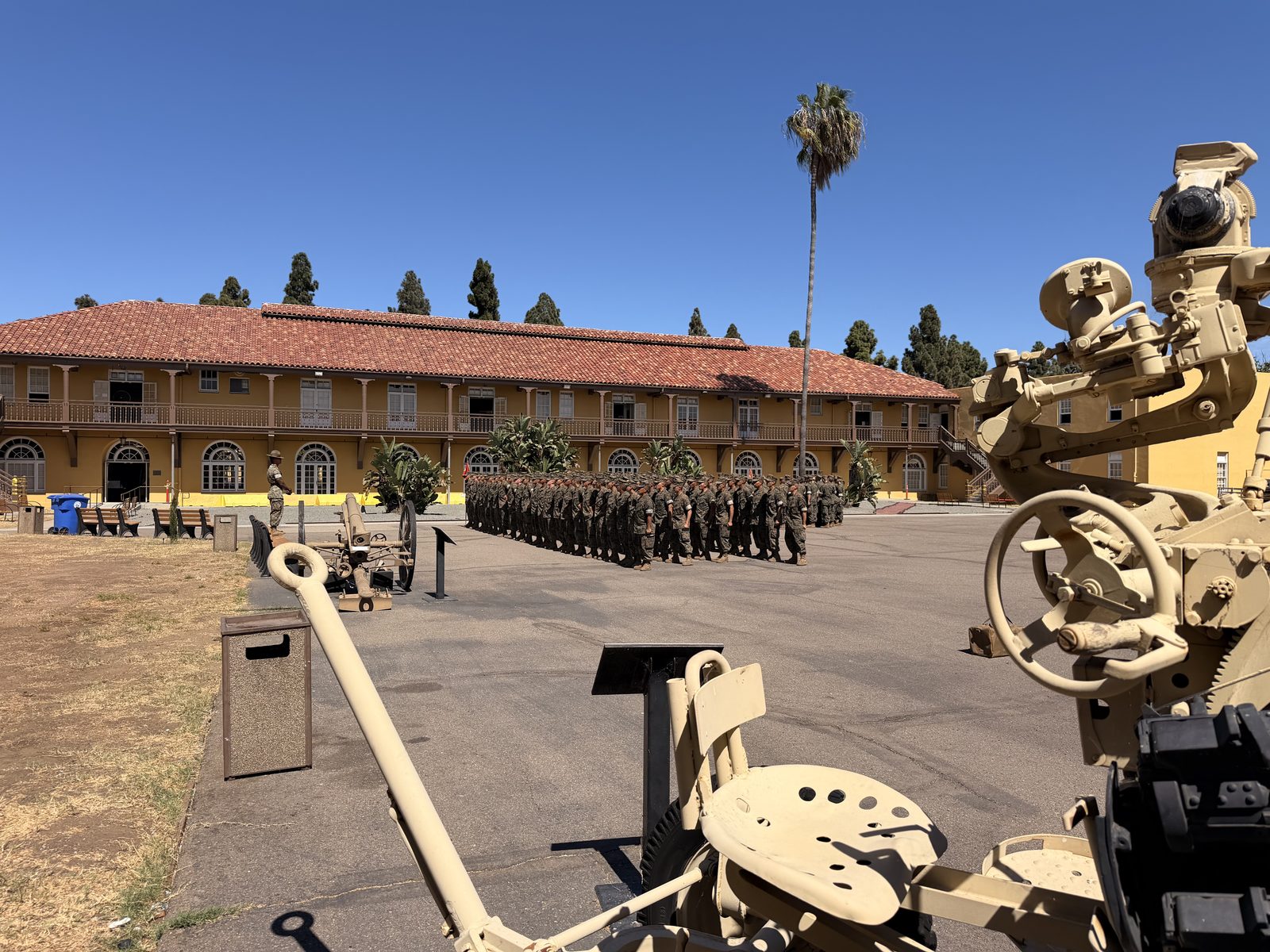
The record says the hardened gate holds and the insider gets through. We built a reference file on this for our own proposal work, and two patterns stand out. In the twelve months ending 27 September 2026, ten publicly reported gate, entry control point or perimeter incidents at U.S. installations ended with the intruder detained. None ended in gunfire. Three of the four disclosed entry methods went around the vehicle barrier entirely: a boat on a beach, a tailgated contractor vehicle, a civilian hidden in a soldier’s trunk. The most recent was a perimeter breach at MacDill Air Force Base’s Dale Mabry Gate on 26 September 2026. It ended with a security officer injured in a hands-on struggle.
The shootings tell the other story. Since 2011, every mass-casualty shooting on a U.S. military installation came from a person the installation had already granted access. In four of the five cases the official reviews examined, indicators existed before the attack. Nobody moved them to anyone empowered to act. A contractor’s hotel-room incidents never reached the Navy. Eight mental health contacts preceded a sailor’s posting to armed watch. An instructor watched a student apply to buy the pistol later used at Pensacola. A DUI arrest eighty days before the Fort Stewart shooting never reached the command. Prevention training closes exactly that gap, the distance between the person who noticed and the person who could act.
What do Department of Defense instructions already require?
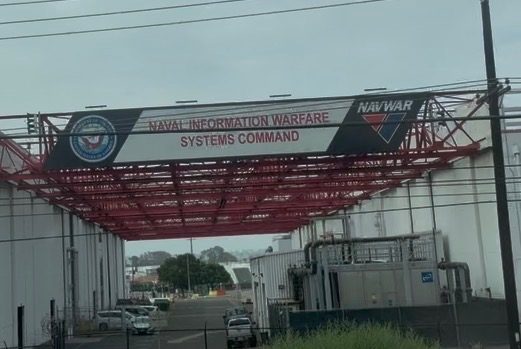
They already require the training this page describes. DoD Instruction 5205.16, the DoD Insider Threat Program, requires each component to maintain an insider threat hub with an analytic and behavioral threat management capability. It also requires insider threat awareness training on arrival and every year after. DoD Instruction 1438.06, the DoD Workplace Violence Prevention and Response Policy, requires a properly trained threat assessment team and annual workplace violence training for supervisors and employees. DoD Manual 5200.08, Volume 3 requires a training program for the people at the access control point and the visitor control center.
The oversight record shows where the gap is. The DoD Inspector General found that 85 of 200 reportable insider threat incidents never reached the DoD Insider Threat Management and Analysis Center. Delays ran from one day to more than two years (DODIG-2022-141). In 2015 the Government Accountability Office found that DoD was not monitoring implementation of the Fort Hood recommendations at the military service and installation levels (GAO-15-543). The requirement exists in doctrine. We deliver the training that meets it, in the register an installation works in: force protection, antiterrorism, insider threat, entry control.
This is why the P.R.O. Model™ is in use at some installations and commands across the Department of Defense. It is why Chris Grollnek created the Defense Nuclear Facilities Safety Board Program of Instruction. It is also why the Deputy Assistant Secretary of Defense for Nuclear Matters asked him to brief the framework, and the technology layer beneath it, at Blue Grass Army Depot.
What does active shooter prevention mean for the fire service?
For the fire service it means two things, and the first one is recognition. Firefighters are the proof that prevention works. The fire code, the inspection, the drill and the trained marshal ended a category of tragedy that once seemed permanent. No other public safety discipline has a better record to point to. Firefighters also run toward the incidents this page is about. They stage with police under a unified command and treat the wounded inside the warm zone as part of a rescue task force. They know exactly what the aftermath costs.
The second thing is a program. Active shooter prevention training for a fire department prepares the department’s own people first. A firehouse is a workplace with the same insider risk as any other, and the same duty of care under the Occupational Safety and Health Act, Section 5(a)(1). The program also makes the department a prevention partner to every school, hospital, house of worship and business on its inspection route. The inspector who already walks the building for fire hazards is the natural person to carry the prevention conversation through the front door. We built the P.R.O. Model™ for Leaders session for exactly that partnership.
What does it mean for airport operations?
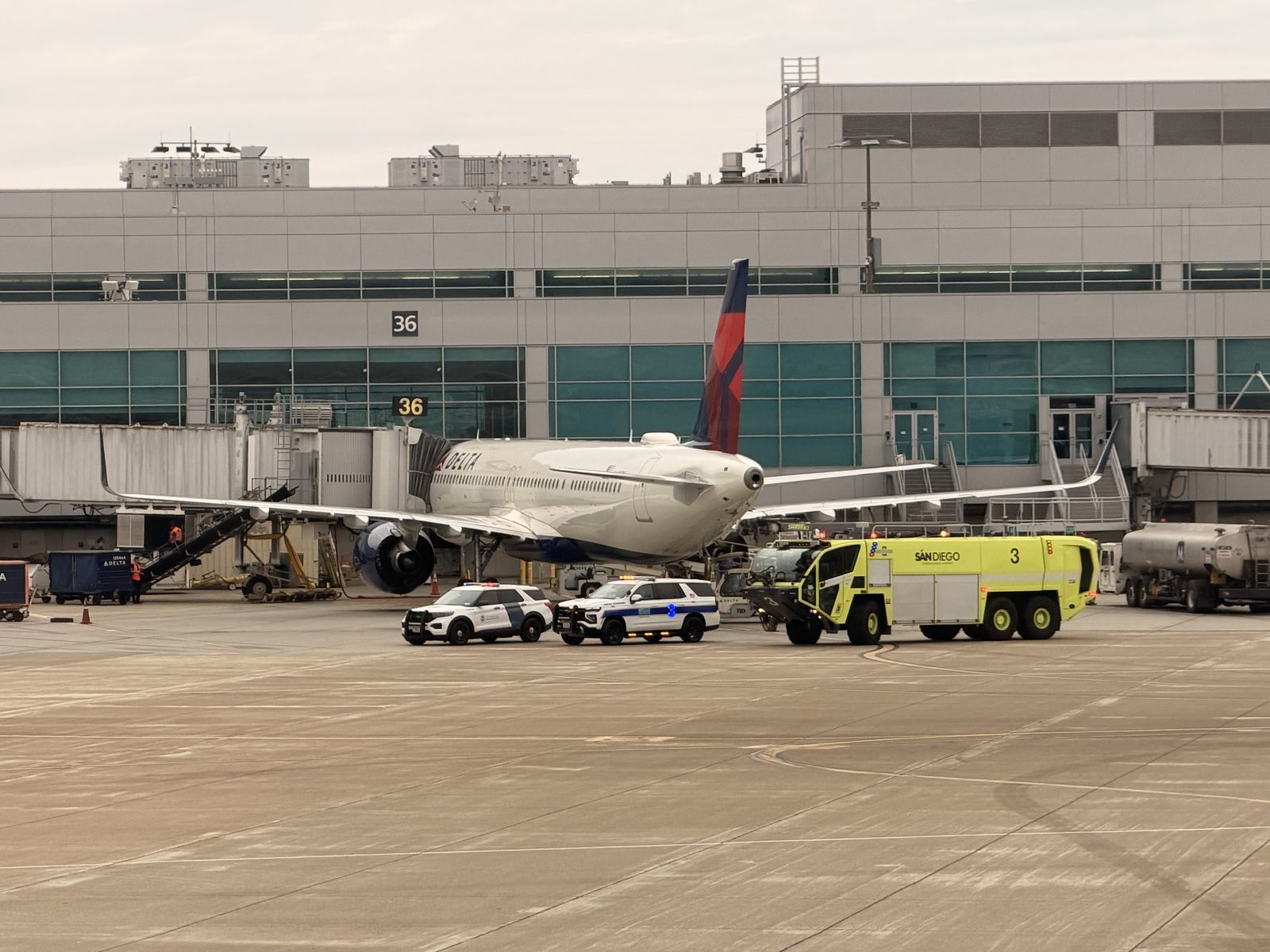
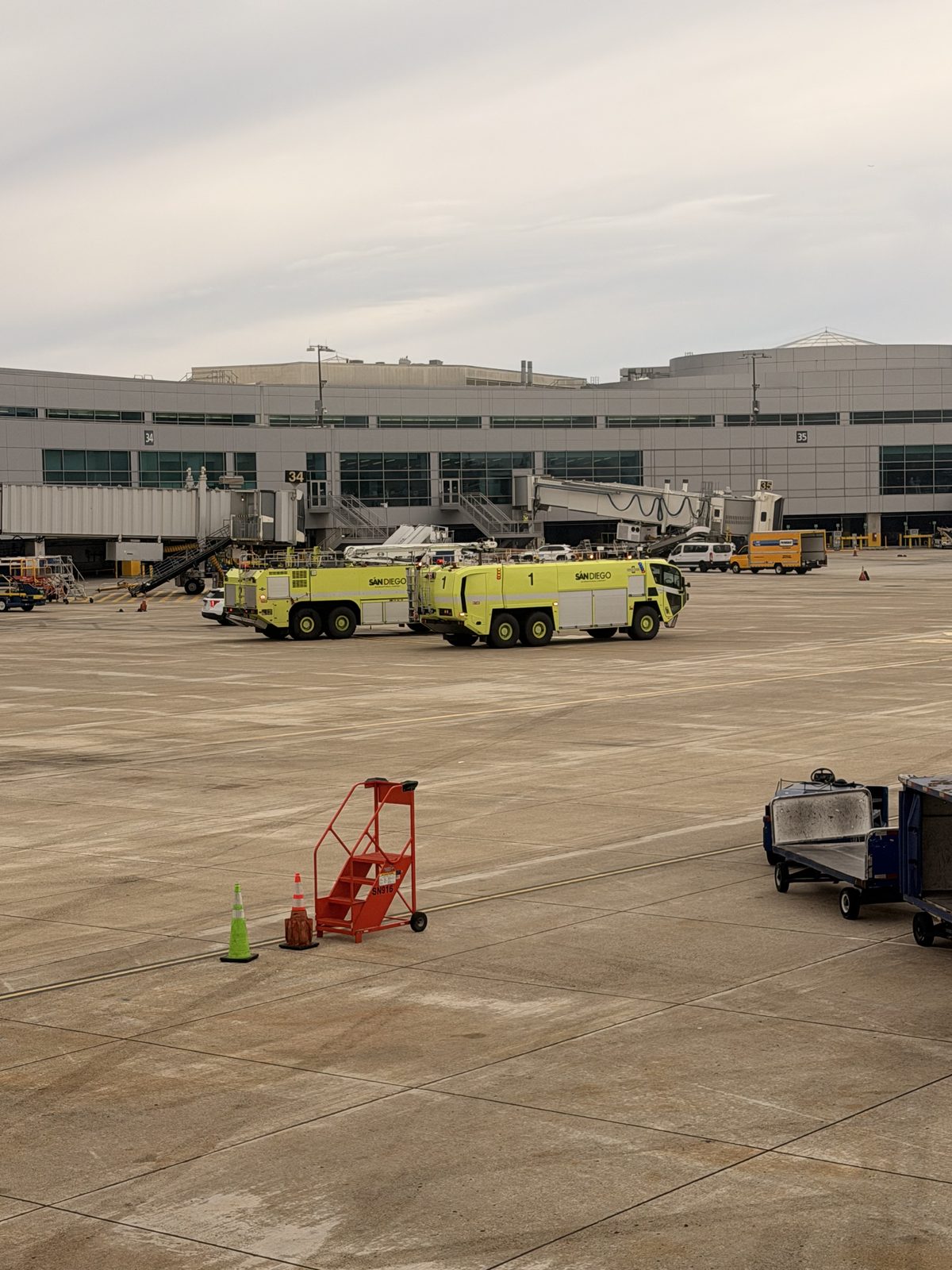
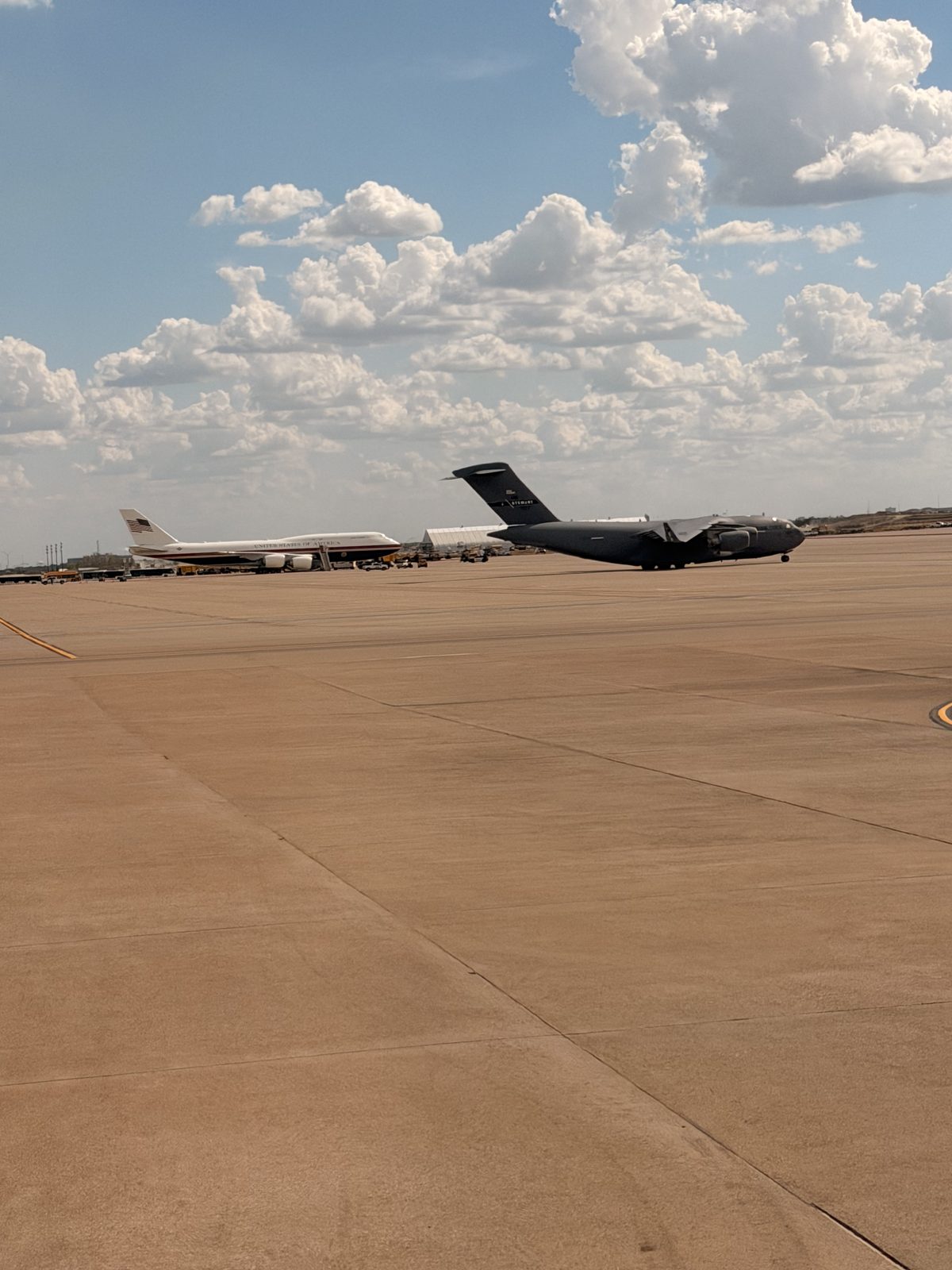
An airport is where public safety converges, so active shooter prevention has to be built for four agencies at once. On one ramp, the aircraft rescue and firefighting crew, the airport police, the airline, the Transportation Security Administration and the airport operator all hold a piece of the same incident. Federal regulation already binds them together. A certificated airport maintains its firefighting capability and an airport emergency plan under 14 CFR Part 139, and its security program under 49 CFR Part 1542. None of that teaches the ticket agent, the ramp worker, the contractor and the concessionaire what a concerning behavior looks like and where to move it.
The installation gate record transfers directly. A tailgater, a hidden passenger and a person who came by water got past hardened vehicle barriers in the past year. Those are the same human decisions an airport’s access control depends on. Response-augmented training for the people at the checkpoint and the gate teaches the recognition, and the full procedure under pressure, that a barrier cannot supply for them.
How is prevention-first training different from response-only training for a public safety agency?
It starts earlier, reaches more people and leaves a record the agency can show an inspector general, an auditor or a court. The table below is the comparison a commander, a chief or an airport director is usually making.
| What you are comparing | Response-only training | Prevention-first training, the P.R.O. Model™ |
|---|---|---|
| Where it starts | At the first shot | At the first concerning behavior, often weeks earlier |
| Who it reaches | Security forces, the guard force, a response team | Everyone with access: service members, civilians, contractors, international students, concessionaires, ramp crews |
| What it produces | A response plan and a drill record | A behavioral threat assessment capability, a physical threat assessment, a policy the team can run, procedures that agree with it, and a technology plan that fits |
| What it satisfies | An exercise requirement | DoDI 5205.16 and DoDI 1438.06 training and threat assessment requirements, the airport emergency plan under 14 CFR 139, and the duty of care under OSH Act 5(a)(1) |
| Standard behind it | Varies by vendor | “A” national standard selected by the U.S. Department of Justice, twice |
| Response vocabulary | One model, usually the one the vendor sells | React, Escape, Survive, taught alongside Run, Hide, Fight and Avoid, Deny, Defend, so the training an agency already paid for is built on, never replaced |
Is active shooter prevention for public safety the same as workplace violence prevention training?
Yes, seen from two directions. For the Department of Defense it is literally the requirement of DoDI 1438.06, the DoD Workplace Violence Prevention and Response Policy. For a fire department, an airport authority or a city, it is the training that meets the general duty every employer already carries. Workplace violence prevention training starts with the workplace and the behaviors that show up in it. Active shooter prevention training starts with the worst outcome and works backward to the same behaviors. Our workplace violence prevention program covers the employer’s side of that discipline. Chris Grollnek has written about workplace violence prevention training from the practitioner’s side. For a public safety agency, both arrive in the same room.
What about stadiums, arenas, large buildings and the events the whole country watches?
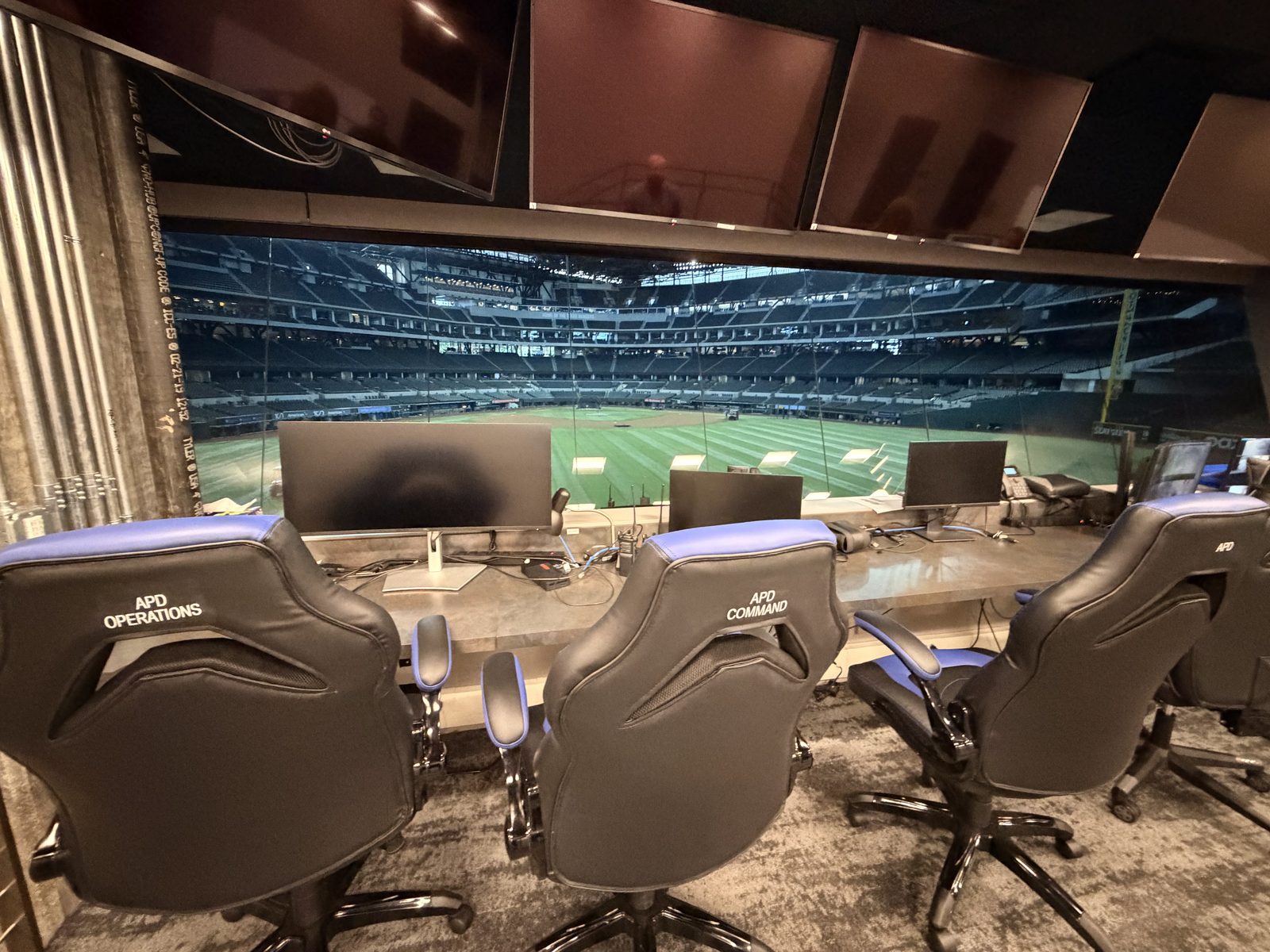
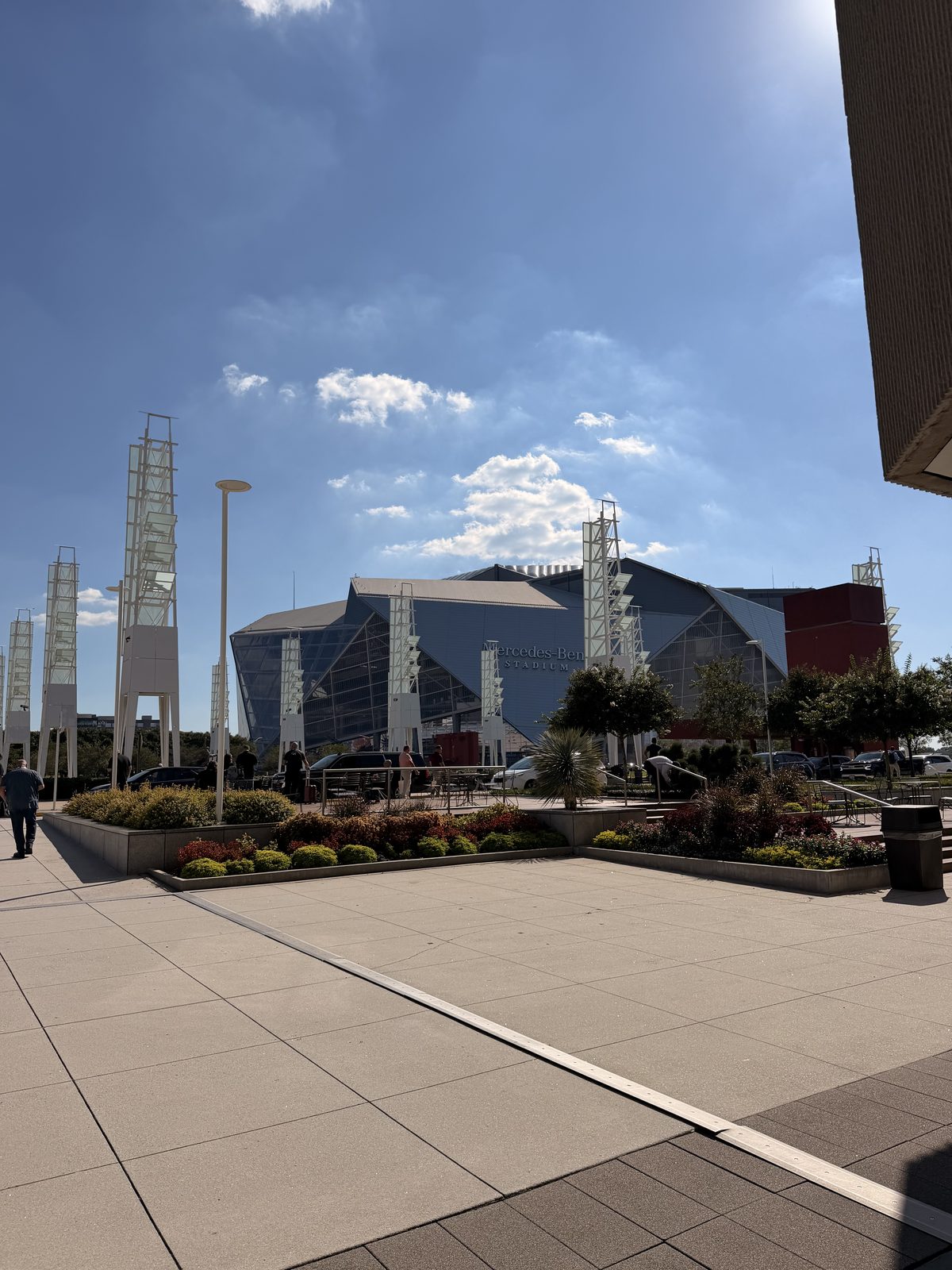
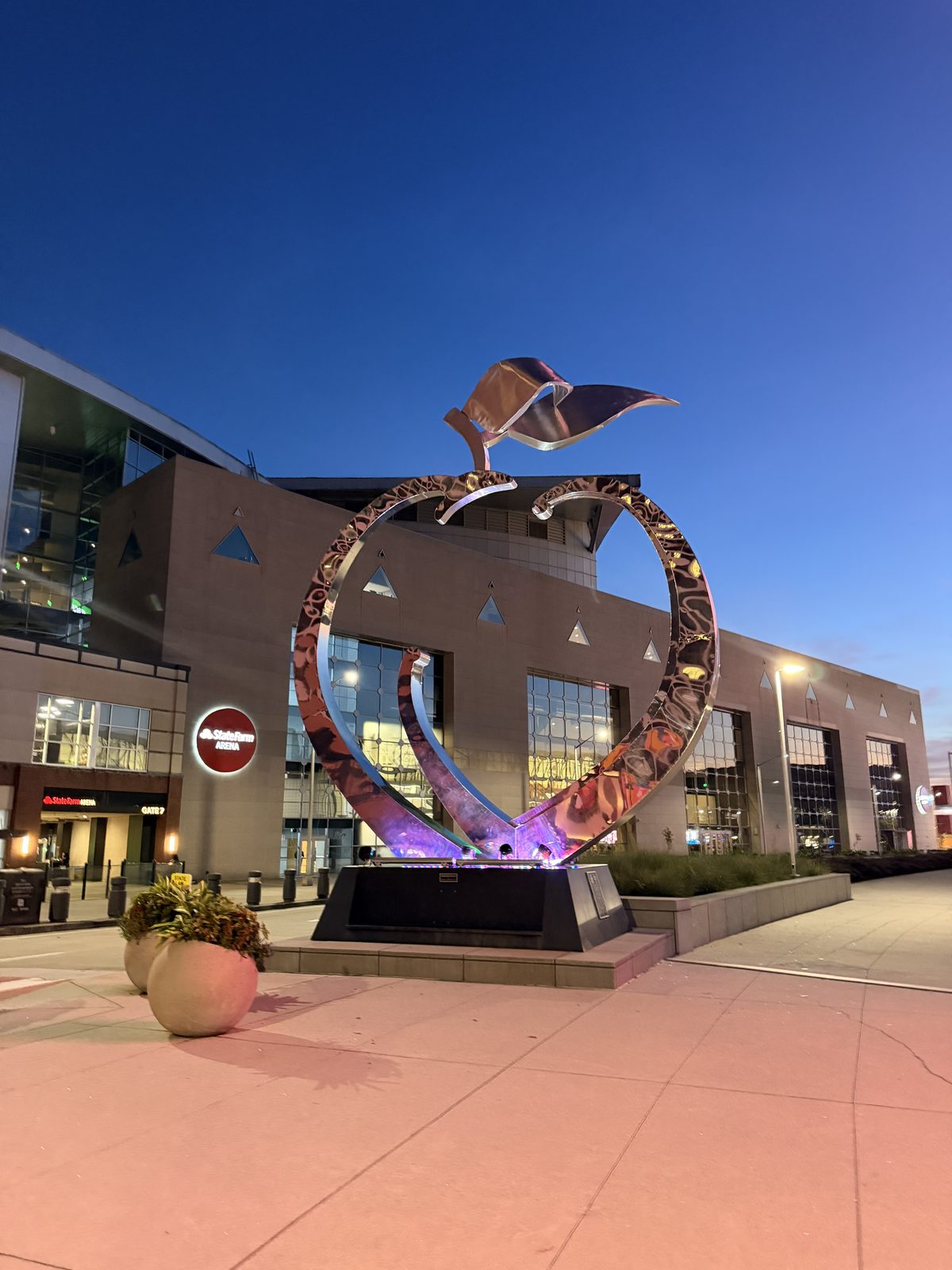
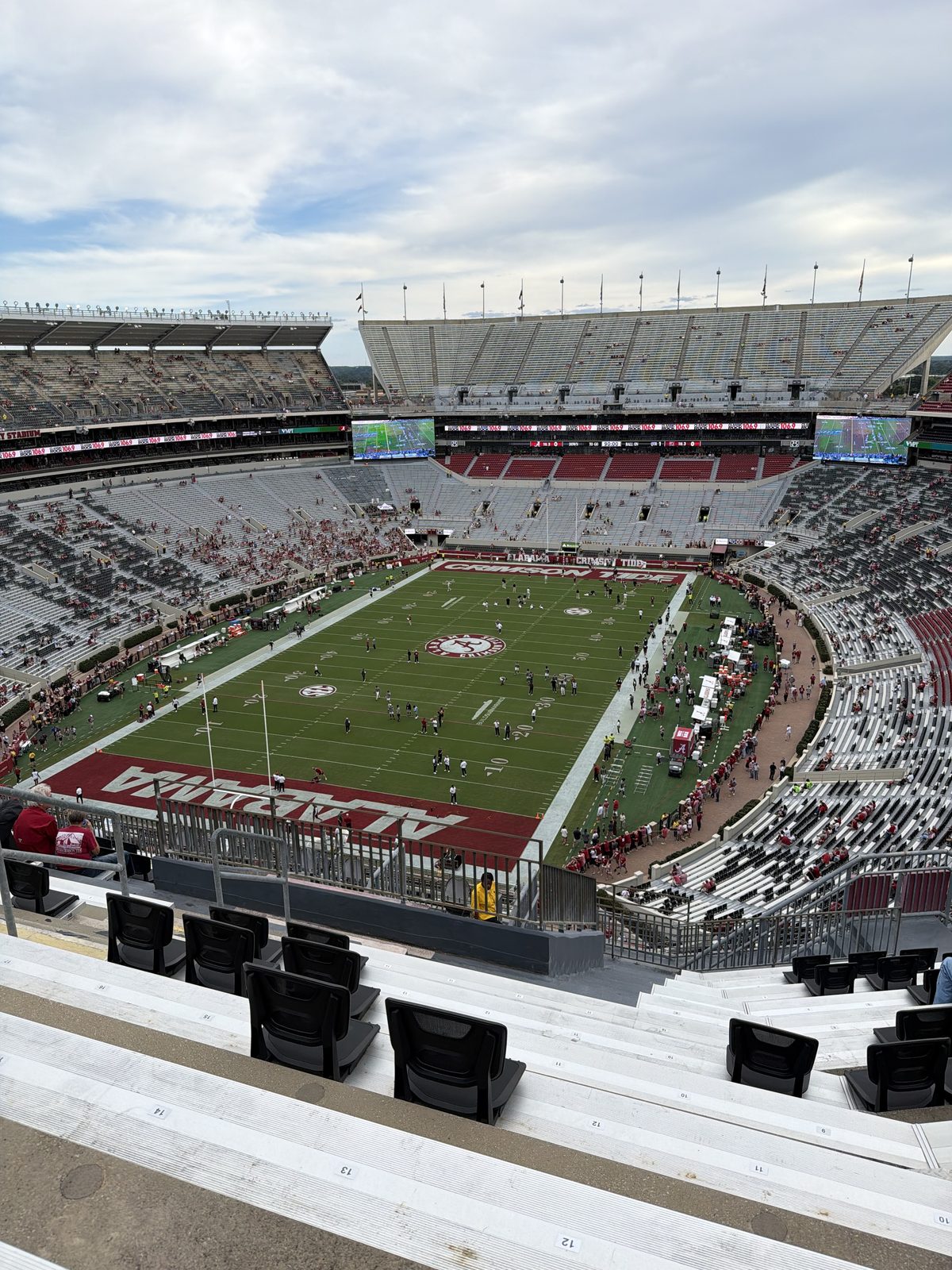
They belong on this page because the same agencies protect them, and active shooter prevention for a venue starts with the same people. Chris Grollnek served as the NFL’s Active Shooter Prevention Coordinator for Super Bowl LVIII and LIX. He has conducted facility assessments across NBA and NHL venues. The 2026 World Cup came through American stadiums this summer, and the 2028 Games are next. The arenas, ballparks and towers in the photographs below are the kind of places where a security operations center, a threat assessment team and a trained workforce either exist together or do not.
Centennial Olympic Park in Atlanta is on this page for a reason. In July 1996, during the Games, a single bomb there killed one person and injured more than one hundred. Thirty years later the park is a public space again with the rings standing in it. That is what prevention is for: places people can keep using. Our active shooter vulnerability assessment is where that work begins for a venue.

How does ASPP™ deliver active shooter prevention for public safety agencies?
In the same six steps we use for every client, adjusted to the population and the law that governs it.
- The first conversation. Free, and it carries no obligation. We learn the site, the population and the requirement that brought you here, whether that is a DoD instruction, an airport emergency plan, a state statute or a chief who decided to act.
- The assessment. A behavioral threat assessment capability review, a physical threat assessment of the site, and a risk management review of policy, HR procedure and technology against the duty already carried in law.
- The training. P.R.O. Model™ training for the whole population, and the P.R.O. Model™ for Leaders session for supervisors, commanders, chiefs and department heads, in the register the audience works in.
- The findings. A dated report of what the assessment and the training surfaced, and an improvement plan the organization can run.
- The acquisition plan. Where grant, appropriated or cooperative-contract funds apply, we map the pathway. Where they do not, we say so.
- The repeatable model. A program the organization can sustain and teach itself, with ASPP™ as the standard behind it.
Options come from the ASPP™ Community of Experts, more than eight hundred years of combined experience across law enforcement, military, intelligence, technology and training. The buyer chooses layers, never a single product. Pricing is never advertised. Nonprofits and faith communities receive our lowest rates. If you are choosing among programs, our guide to the best active shooter prevention training programs explains what to look for.
Who leads this work?
Chris Grollnek leads this work. He is Chairman of the Board and Founding Principal of Active Shooter Prevention Project, LLC (ASPP™), a former U.S. Marine and retired police detective corporal, and the creator of the P.R.O. Model™. He was already outside when an attack on the McKinney Police Department began on August 17, 2010, and he stayed through the end of it. He has spent the years since building prevention into a standard rather than a slogan.
The U.S. Department of Justice selected the P.R.O. Model™ as “A” DOJ-selected national standard for the Assistant United States Attorneys and across the Department, and it is in use at some installations and commands across the Department of Defense. He created the Defense Nuclear Facilities Safety Board Program of Instruction and served as the NFL’s Active Shooter Prevention Coordinator for Super Bowl LVIII and LIX. Congress has heard his testimony, and he has briefed the National Security Council. ASPP™ has documented three registered saves, real incidents where his prevention work and doctrine have been credited with averting active shooter violence. That is the proof that prevention works, and it is why the people who have worked with him call him an active shooter expert. He has written about the weekend behind these photographs, from Marine Corps Recruit Depot San Diego to an Honor Flight at the airport, at chrisgrollnek.com.
The people on the front side of public safety already know how to prevent. We help them prevent this. Your installation, your department and your airport deserve the training the regulation was written to buy. Let’s build it. #NEVERHERE™