
Why Assessments Matter
The front door of every serious prevention program is the step most organizations skip.
Most organizations spend on prevention without knowing what they are preventing. They buy training and hardware, write a policy, and hold a tabletop exercise. And when the gap appears, they discover that none of those investments were designed to address the actual exposure because no one ever measured it; that is the cost of skipping the assessment.
At the Active Shooter Prevention Project, LLC, the assessment is the first deliverable for a reason. It is the only way to give an organization a defensible, evidence-based picture of where they are, where they are exposed, and what to prioritize. Without it, every dollar spent on prevention is guesswork, and that guesswork has built the patchwork of compliance theater that defines too much of this industry today.
Prevention Is an Ecosystem, Not a Checklist
The single biggest reason assessments matter is that prevention is not one thing; it’s an interconnected system. Physical security, organizational culture, training quality, technology integration, internal communication, leadership posture, emergency planning, and community partnerships all influence one another. Weakness in any one of those areas quietly undermines the strength of the others, and you cannot see those interdependencies without measuring them.
An organization with state-of-the-art access control and an under-trained workforce is not protected. An organization with excellent policies and a culture that punishes anyone who raises a concern is not protected. An organization with gunshot-detection sensors and no clear chain of command for the first ninety seconds is not protected; the assessment is what surfaces these mismatches before an event does.
The Work in the Real World
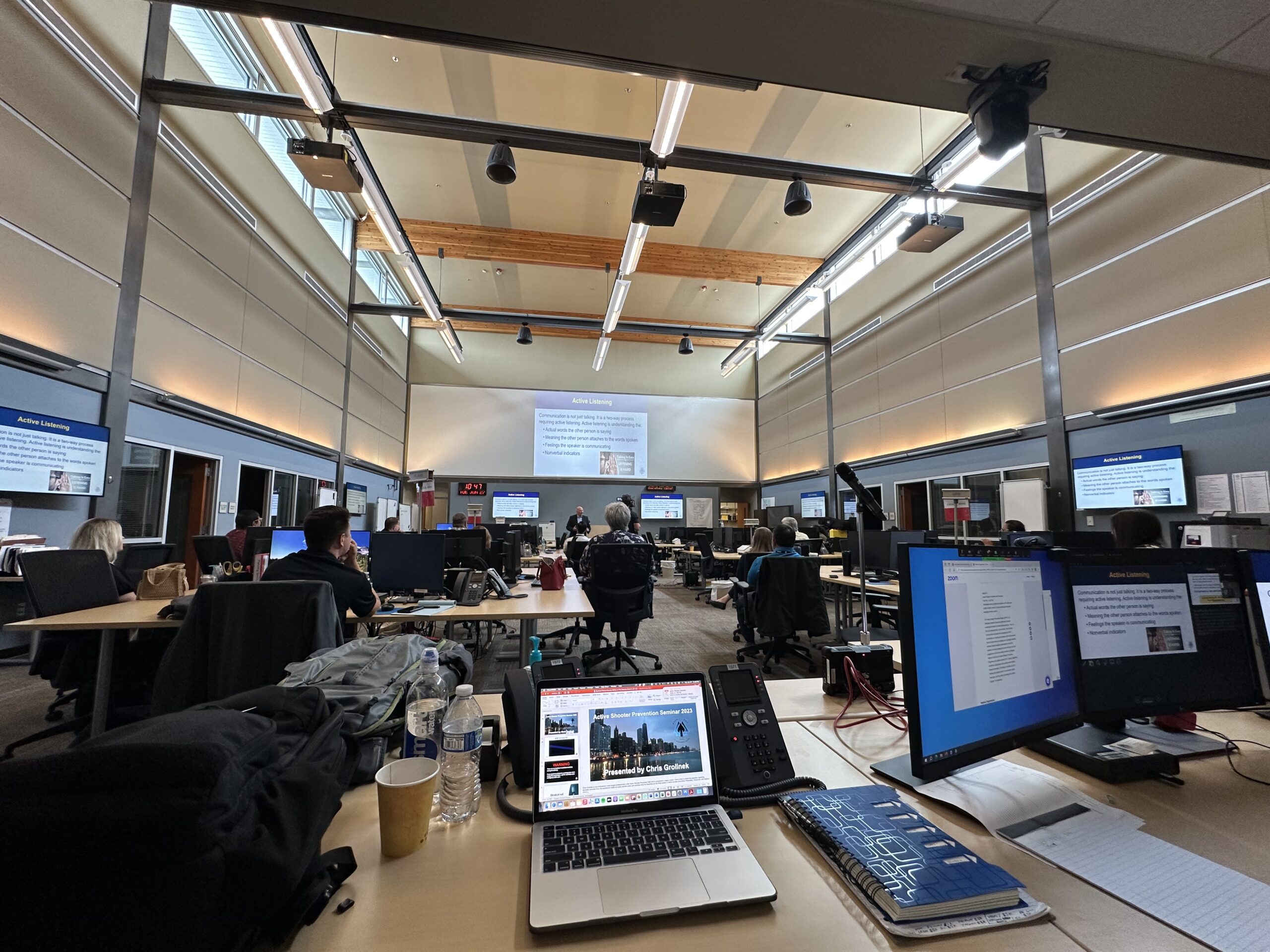
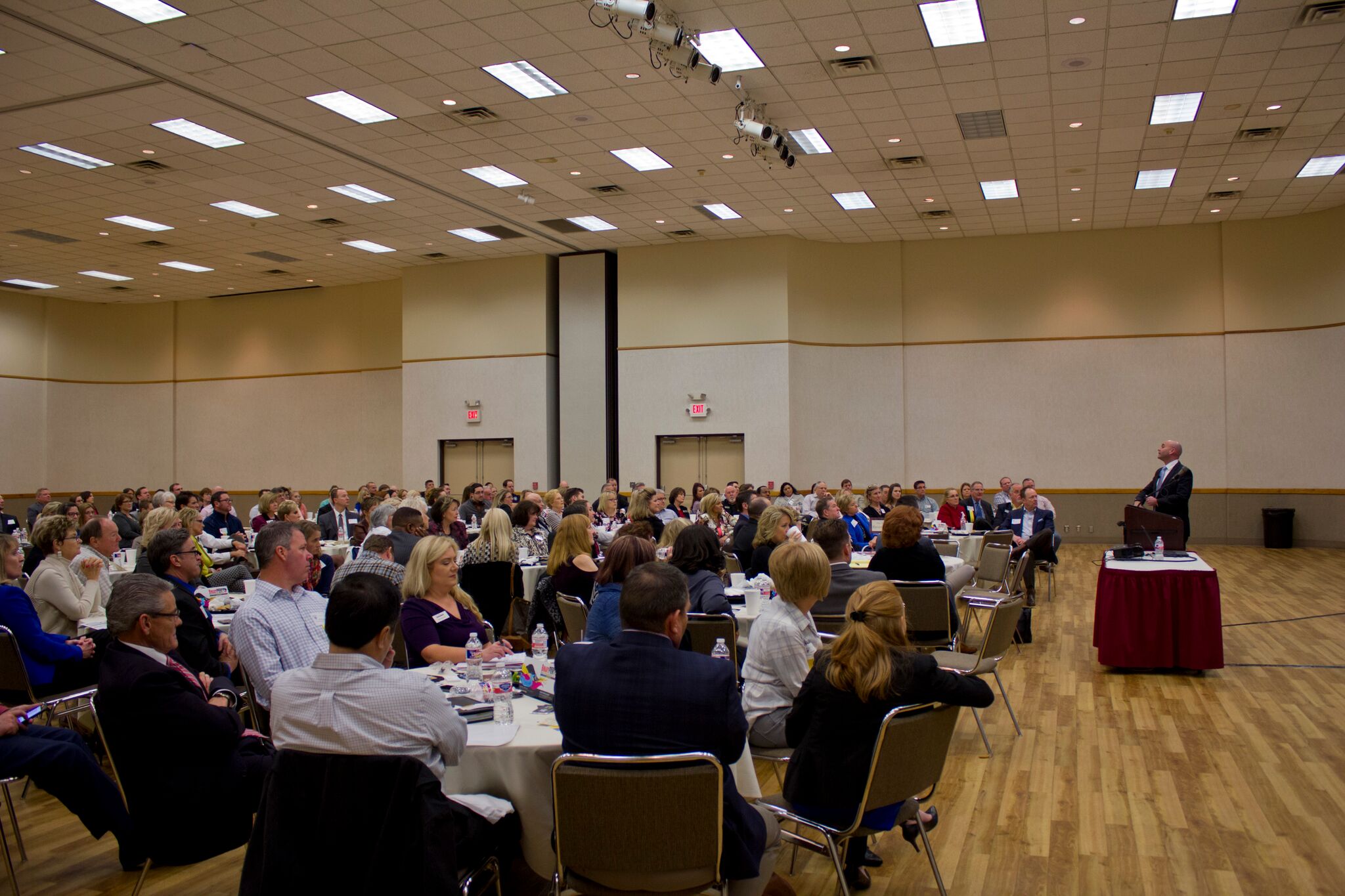
The Active Shooter Prevention Project assessments are not theoretical. They are built and delivered in the environments where the stakes are highest: municipal, federal, educational, corporate, and faith-based. A recent example appears in the featured image of this post: ASPP delivering the post-assessment briefing and training to municipal and court leadership in the Emergency Operations Center of a Washington State municipality, ahead of a high-profile police-accountability trial with documented civil unrest expectations directed at the court and the municipality itself. The work in a room like that is not generalized risk education. It is the structured handoff of an evidence-based assessment into the operating environment where the venue, the personnel, the communications protocols, the access points, and the public-facing posture must be understood and owned by the people in charge before the gavel falls.
That same posture, structured, evidence-based, decision-oriented, is what we bring to assignments at the federal level. We have conducted pre-visit assessments for United States Navy Blue Angels operations ahead of a sitting President’s visit, briefing commanders alongside protective-detail assets on the runway. The deliverable in that environment differs in scale but is identical in principle: identify the interdependencies among the place, the people, and the plan, surface the gaps that matter, and give the decision-makers the document they need to act.
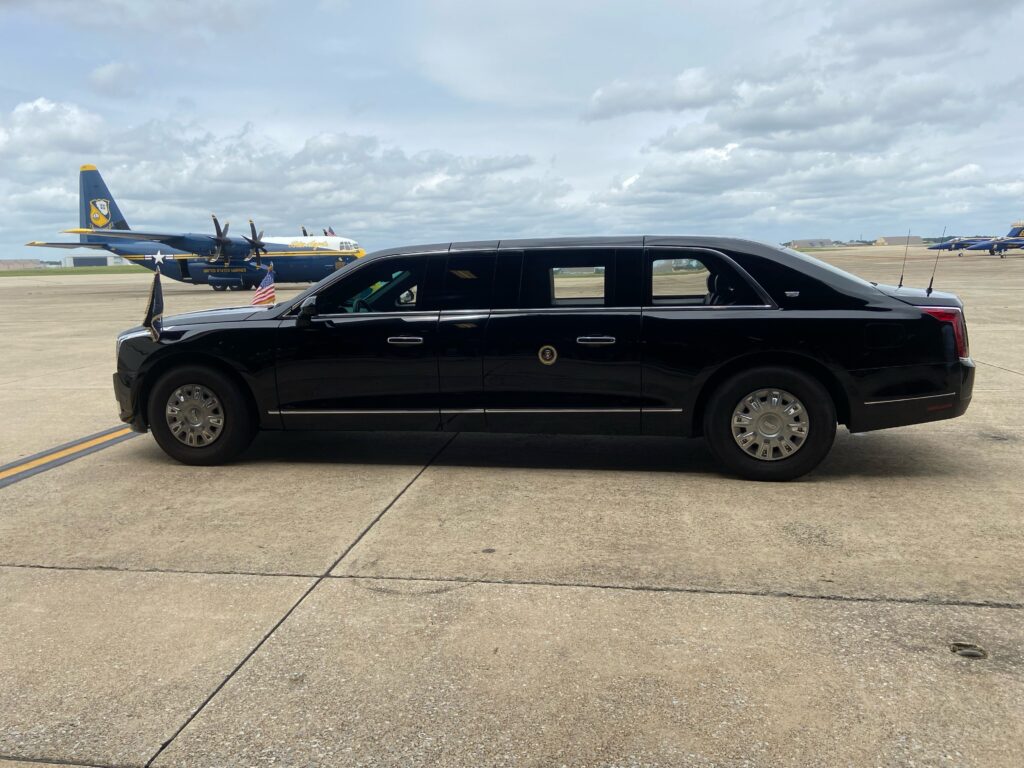
Presidential State Car staged on the flight line alongside U.S. Navy Blue Angels aircraft and the U.S. Marines C-130J Fat Albert Active Shooter Prevention Project pre-visit assessment ahead of a sitting President’s visit. #NEVERHERE™
What an ASPP Assessment Actually Looks For
Most of the most consequential vulnerabilities we identify across our assessments have nothing to do with equipment. They are human, procedural, and cultural. They are the things that have challenged organizations for generations: communication gaps, inconsistent application of process, complacency, training that has not been updated in a decade, cultural blind spots, and assumptions about who belongs in a space.
Technology matters enormously, but technology without leadership, established process, and accountability creates a false sense of security, and a false sense of security is more dangerous than no security at all. It stops the organization from looking for the real gaps that the ASPP assessment is built to find, not to confirm the comfortable ones.
The Wrong Question, and the Right One
The most common question we hear from organizational leadership is: “What technology should we buy?” But that is the wrong question. It reveals a fundamental flaw in the approach that treats prevention as a purchase; it is not!
The right question is: “How do we make sure our people, our processes, and our technology actually work together under stress?” That is the question an assessment answers. Integration is where capability becomes operational readiness. Without an assessment, integration is a slogan, but with an assessment, it becomes a measurable, defensible standard.
Set It and Forget It Is Not a Prevention Strategy
Organizations that treat security as a one-time project fall behind without realizing it, and the threat landscape moves, and the workforce changes. Buildings get renovated, and leadership turns over. A program assessed three years ago and never revisited is not a current program; it is a historical document. Mature organizations think in years, not in news cycles. They treat the assessment not as a deliverable to file, but as the start of a continuous improvement process.
That is also why the ASPP assessment is never just a list of problems but a roadmap of immediate priorities, short-term improvements, and long-term strategic posture. The roadmap creates sustainable forward progress rather than reactive spending driven by the last headline or the last lawsuit.
Confidence, Not Fear
There is a tendency in segments of the security industry to market fear by using catastrophe-based language to drive purchasing decisions. We reject that posture. Sustainable prevention is not built on panic, and an organization run on fear will eventually burn out, tune out, or both.
Strong prevention leadership creates environments where employees, students, customers, patients, and stakeholders feel informed, empowered, prepared, supported, and confident. The goal is not a fortress mentality but rather a resilient organization capable of adapting, responding, and recovering. The assessment is the document that makes that resilience visible, measurable, and defensible to a board, a regulator, an insurer, or a courtroom.
Why This Work Began – and Why It Continues
The case for assessments is not made most powerfully in a sales meeting. It is made in the rooms where lawmakers decide what protections will be required and what will not. Our founder has testified before the Florida Senate as the expert representing the families of the Marjory Stoneman Douglas High School Public Safety Commission on the importance of assessments, and on the seventeen lives taken at Parkland on February 14, 2018.
The testimony was not symbolic, but technical. The testimony in that chamber was about how a properly conducted, properly acted-upon assessment changes the trajectory of what a building, a campus, or a community is exposed to. The seventeen families who lost loved ones that day did not need rhetoric. They needed lawmakers to understand the difference between a checklist and a real assessment, and they needed the record to reflect that difference. That is the work and the reason why we do this. And that is why every assessment we deliver carries the weight of every family that has ever had to ask whether something could have been done sooner.
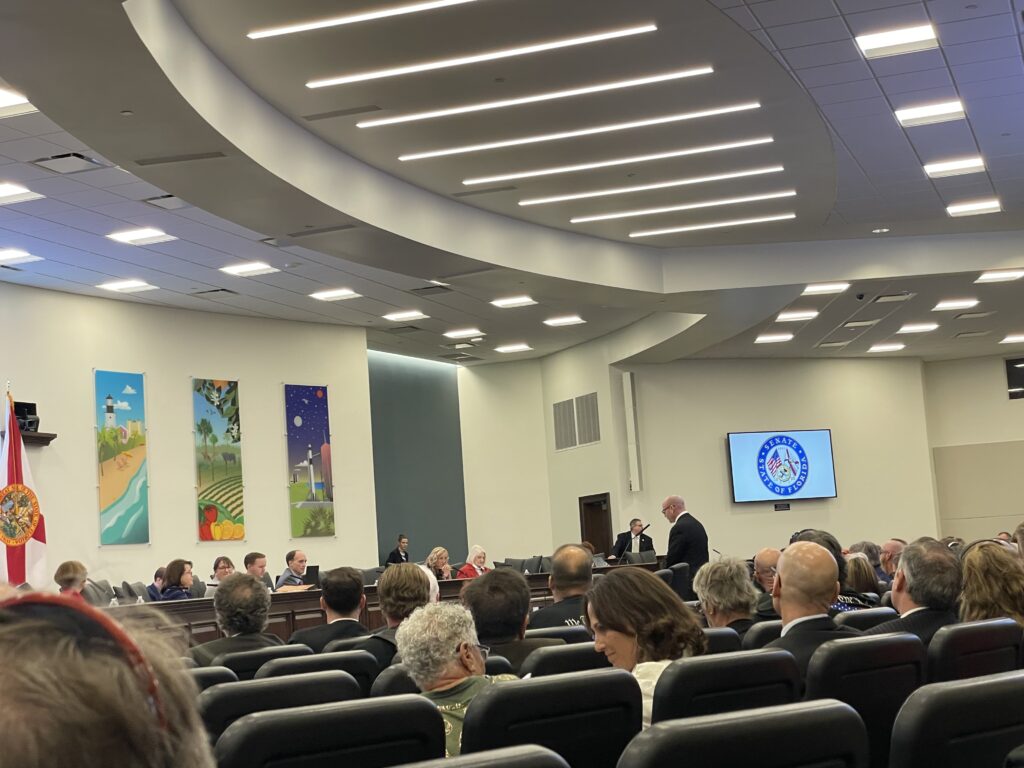
Testifying before the Florida Senate as the expert representing the families of the Marjory Stoneman Douglas High School shooting victims, on the importance of assessments and the seventeen lives taken at Parkland on February 14, 2018.
The Four ASPP Educational Tenets
- Knowledge enables Preparedness.
- Preparedness encourages Awareness.
- Preparedness and Awareness build Confidence.
- Confidence enables Decisiveness.
Every ASPP assessment is designed to move an organization through those four stages, not in slogan form; in documented, measurable, defensible form. That is what separates a real prevention program from a marketing campaign.
What You Get, and Why It Matters
An ASPP assessment is not a generic walk-through with a clipboard. It is a structured evaluation across the interconnected ecosystem, physical, procedural, cultural, technological, and human, conducted by professionals who have stood inside the events they assess for, not just studied them at a distance. It delivers a written, defensible record of where an organization is. It delivers a prioritized roadmap of where to go next, providing the leadership team with the document they need to make the case for investment, for policy change, and for cultural change.
That last point matters more than most organizations realize, and leadership cannot drive change without evidence; the assessment is the evidence. It is the document that turns “we should probably look at this” into “here is what we are going to do, in this order, by this date, with these owners.” Without that document, prevention work remains a recurring agenda item; with it, it becomes an operational reality and a source of truth.
PROGRESS, NOT PERFECTION.
PREPAREDNESS, NOT FEAR.
PREVENTION, NOT REACTION.
The Bottom Line
No organization will ever eliminate all risk, but every organization can reduce its vulnerabilities, improve its preparedness, strengthen its resilience, and make thoughtful decisions that move it steadily forward. That is what mature prevention leadership looks like, and it begins with an honest assessment.
The organizations that will lead the future of this industry are those willing to continually evaluate themselves honestly, adapt thoughtfully, and maintain a long-term commitment to evolving preparedness, because the environment will continue to evolve whether they do or not. The assessment is the first step, and everything else follows from it.
This is Post 1 of the ASPP Four-Post Solution Series. Post 2 explores why seminars matter the second step in the integrated prevention standard.
Start With an Assessment.
Get the evidence-based foundation every serious prevention program is built on.
From the Founder: I have stood in rooms where the gap between a real assessment and a checklist was the difference between a community that was ready and a community that was not. The work in this post is not abstract for me, it carries the names I will not forget and the responsibility I will not put down.
If your organization has not been honestly assessed in the last twenty-four months, or has never been assessed at all, that is the place to start. Not the next conference and not the next product demo; the assessment.
~ Chris Grollnek, Founder, Active Shooter Prevention Project, LLC
#NEVERHERE™ · THE PRO MODEL™ · ASPPPRO.COM
Contributing source material: Glenn G. Norling, Senior Principal, Active Shooter Prevention Project, LLC.
Share this article

Written by : Chris Grollnek
Active Shooter Expert Chris Grollnek (#activeshooterexpert) is a highly sought-after international public speaker, trainer, educator, writer, and director and has appeared in numerous documentaries. Active Shooter Expert Chris Grollnek also provides specialized consulting services to Fortune 500 companies and special events. Grollnek has testified about the Terrorism and Counterterrorism training needs of the United States and beyond before the U.S. Senate Ways and Means subcommittees in the Hart Senate office building in 2002. Leading up to his testimony before the U.S. Senate, Chris Grollnek was invited by the Center for Strategic and International Studies (CSIS) in Washington D.C. to provide insight to Ph.D. and Senior Executives Staff of the U.S. Government on subterranean training, complex curriculum development, and public lectures.
Latest articles
May 24, 2026
May 24, 2026
May 24, 2026
