
Washington, D.C. Attack: Terrorism, Tragedy, and the Urgency of Prevention
The recent violent attack in Washington, D.C., involving an Afghan national with prior affiliations tied to U.S. Special Forces operations and classified intelligence missions has sparked immediate concern, and understandably so. The word “terrorism” rapidly entered the conversation, but the reality demands a more measured, objective lens. This has led to the outline for this blog, “Active Shooter Preparedness for Everyday People.”
At face value, the event bears the emotional weight of a terrorist plot. However, several factors suggest a more complex legal and operational classification. The primary charge of capital murder in the District of Columbia, the possibility of terrorism being framed as domestic if applied, and the unlikely mechanics of a coordinated ISIS operation one individual driving from Washington State to the nation’s capital armed with a revolver, initiating violence, stealing a second weapon, killing one and mortally wounding another point toward a targeted act of violence rather than a structured international terror campaign.
We continue to pray for the families of the National Guard member who was killed and the Air Force National Guard member who was critically injured, and our focus remains on the victims and their families. I am sure they do not care about labels, definitions, or classifications, like almost every victim-survivor’s family members I have interviewed; they likely care that an evil act occurred and that their world has been forever changed.
In the active-shooter prevention space, we often attempt to distinguish between mass shootings, targeted attacks, terrorism, and assassination attempts. The truth is, the individual motivations frequently trace back to the same core drivers: political, religious, or ideological belief systems. While categorization matters for the courts, the public safety community must remain devoted to what truly matters: stopping these incidents before they begin.
A person determined to carry out harm is difficult to intercept at before the final moment. That is why the focus must shift upstream toward awareness, communication, behavioral warning signs, and real-time reporting. Further, we must equip the citizens and communities with the technology to augment the human “responses” to limit the very nature of a response needed. The reality is stark but necessary to acknowledge: the person closest to the threat when it unfolds is the true first responder, not law enforcement, EMS, tactical units, or firefighters; it is the “would-be victim.”
Our mission is not to turn civilians into fighters; it is to equip them with tools for prevention, such as how to identify risk, when to report, how to communicate effectively with first responders, and how to act decisively to reduce harm before violence escalates.
We will continue to analyze, discern, and learn from every incident, not to sensationalize the evil, but to minimize the likelihood of it occurring again. Prevention is not reactive; it is disciplined, proactive, and rooted in clarity, and clarity is what this moment demands.
ASPP™ PRO Model™ (Prevention. Response. Options.)
Destination #NEVERHERE™
Active Shooter Preparedness for Everyday People; You Don’t Need Tactical Training, You Need Prevention
Active shooter prevention training; early warning signs; what to do in an active shooter incident
#PreparedNotScared #StayAware #SafetyMatters
“Active Shooter Preparedness for Everyday People”
Written by Chris Grollnek #activeshooterexpert
Share this article
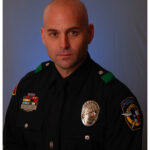
Written by : Chris Grollnek
Chris is internationally recognized as one of the leading experts and authorities on the phenomenon of “active shooter” events and prevention. As one of just a few legacy experts with active shooter experience, Chris’ expertise is in high demand across the nation and across industries. Chris provides strategic advisory services for the highest levels of government and the most senior executives in the country. He’s also retained by families seeking criminal and financial restitution for the loss of loved ones during an active shooter event.
Latest articles
June 5, 2026
June 5, 2026

June 5, 2026
