
Addressing Critical Failures in Police Response: A Call for Preventative Measures
Written by: Greg Shaffer
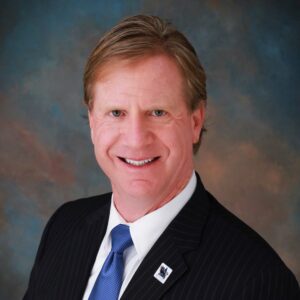
Principal, Active Shooter Prevention Project
Scripps News Tonight: Uvalde Report – They Deserved Better
Watch the Video Clip
In May 2022, a tragic school shooting in Uvalde, Texas, shook our nation to its core. The aftermath of this incident reveals a chilling narrative of what went wrong during the police response, as detailed in a critical report (link report) from the Department of Justice (DOJ). This report sheds light on numerous failures, specifically the lack of command, control, and communication, which resulted in a delayed response that cost precious lives. In the absence of decisive leadership, a phenomenon known as “Group Think” took hold, eroding critical thinking and causing a 77-minute standstill while the assailant continued to inflict harm.
During this harrowing incident, nearly 400 police officers were present, yet none took the initiative to lead from the front—enter the school room and neutralize the threat. This tragedy serves as a stark reminder of the urgent need for continuous police training in responding to active shooter events. Still, it also underscores a critical requirement for C3I (Command, Control, Communication, and Intelligence) training for those in leadership positions. Conducting “Tabletop Exercises” (TTX) is imperative to facilitate collaboration among various stakeholders, including police, fire, EMS, hospitals, school administration, local government, and social services, to ensure effective coordination during critical incidents.
Prevention Over Reaction: A Paradigm Shift
While we must equip ourselves with the skills to respond to crises, it is equally vital that we shift our focus towards prevention. At ASPP (Active Shooter Prevention Project), we believe that preventing acts of violence should be at the forefront of our efforts. In addition to training law enforcement and school staff on response strategies, we must explore proactive measures.
1. Increasing School Counselors: A First Step
One tangible step towards prevention is to address the alarming ratio of students to school counselors in America, which currently stands at almost 500:1. The National Association of School Counselors recommends a ratio of 250:1, highlighting the urgency of rectifying this imbalance. School counselors play a crucial role in identifying and assisting troubled teens, offering a potential lifeline that could help prevent mass shootings.
2. Leveraging Artificial Intelligence (AI) for Early Detection
Another powerful tool in our prevention arsenal is the use of Artificial Intelligence (AI) in conjunction with existing surveillance cameras. AI can be employed to identify and notify authorities and school staff when a weapon or firearm is detected on camera, whether it is in the parking lot or a school hallway. Early identification of potential threats, before the first shot is fired, can significantly increase the chances of saving lives. Time is of the essence in these critical situations, and AI technology can provide the vital seconds needed for a rapid response.
Toward #NEVERHERE
The Uvalde school shooting report serves as a stark reminder that we must do more than react to crises; we must strive for a world where such incidents never occur. By embracing preventative measures like increasing the number of school counselors and harnessing AI technology for early detection, we can take significant steps towards realizing the hashtag #NEVERHERE. Together, we can reshape the narrative surrounding active shooter events, focusing on preventing them and protecting our communities from senseless violence.
Share this article

Written by : Greg Shaffer
Latest articles
May 16, 2026

May 16, 2026
May 16, 2026
