
How to Prevent Active Shooters: The Assessment-First Playbook That Actually Scales

A digital twin view illustrating how layered security technologies and physical security measures are mapped together within an indoor environment to support prevention-first safety.
Violence does not begin at the front door. It begins when risk is unmanaged, warning signs go unreported, and systems meant to protect people operate in isolation. If organizations prefer prevention over reaction and response, the work begins with a site assessment, commonly called a threat assessment, that examines the full picture of risk before an incident occurs. This is where prevention starts and where programs succeed or fail.
“Recently, we explored Lockdown Generation Safety and the youth perspective shaping prevention-first leadership.”
At the Active Shooter Prevention Project™ (ASPP™), prevention is not a slogan or a product; it is an operating discipline. Our mission is rooted in the belief that violence can be prevented when organizations address risk across all hazards, not just one scenario. That means examining policy, people, physical space, and technology together, then aligning leadership around practical, measurable actions that move an organization toward one clear goal: NEVERHERE™. This destination is not aspirational; we have made it operational! #DestinationNEVERHERE™
A proper threat assessment goes far beyond a checklist. It evaluates how an organization reports concerns, how leaders respond to early warning behaviors, how human resources and human capital teams manage risk, and how legal, operations, facilities, and security leaders coordinate under stress. Today, those leaders may carry different titles, i.e., Chief Human Resources Officer, Chief People Officer, or Chief Human Capital Officer, but the responsibility is the same: protect people while protecting the organization. When leaders are aligned, prevention becomes part of daily operations instead of a standalone security function.
Technology plays a critical role as well, but only when it is deployed after an assessment defines where it actually adds value. Advanced computer vision analytics, such as those provided by Scylla AI, demonstrate how neural networks outperform basic object recognition by understanding context, movement, and behavior rather than simply detecting shapes. This matters because false alarms erode trust, and trust is essential in high-stress environments. When analytics are properly placed and integrated, they reduce noise, accelerate detection, and support faster, more informed decision-making during critical moments.
Detection alone is not enough, and prevention requires creating a denied environment that remains open and transparent, especially at the most vulnerable points of a facility. This is where thoughtful physical security design becomes essential. Ballistic protection does not have to look industrial or intimidating to be effective. Through solutions such as ballistic-rated systems offered by Safewood, organizations can incorporate life-safety materials that are both aesthetically pleasing and affordable. These designs allow schools, workplaces, and public spaces to maintain warmth and normalcy while significantly increasing protection where it matters most. Safeware’s role as a trusted distributor ensures that these solutions are scalable, accessible, and deployed correctly as part of a broader prevention strategy rather than as isolated upgrades.
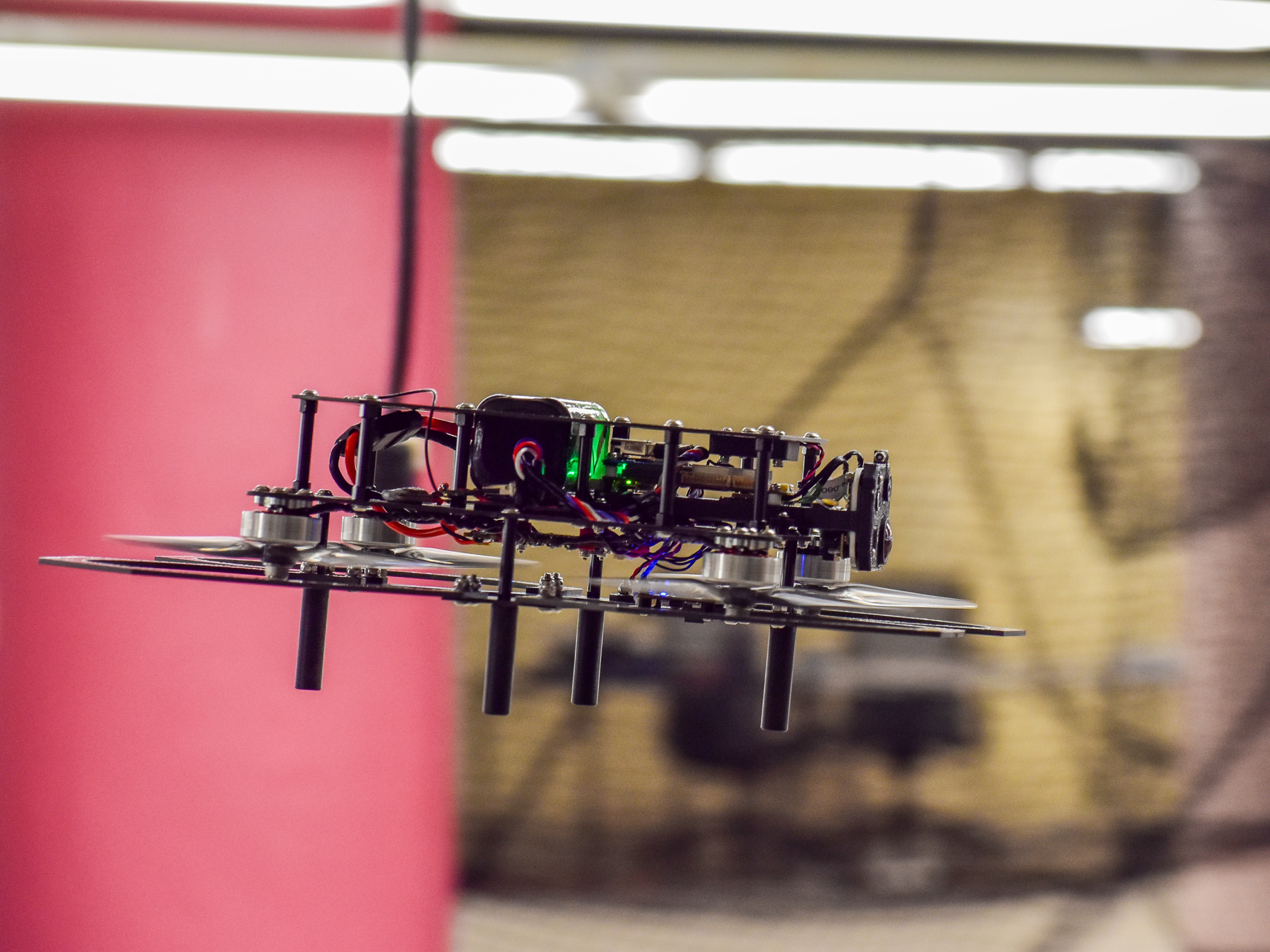
Physical protection works best when paired with mobility and rapid response capabilities. Brecourt Solutions adds another layer to prevention through drone-as-first-responder technology that enhances situational awareness during emerging incidents. When integrated into an assessment-driven plan, these systems provide real-time intelligence that supports security teams and first responders without replacing human judgment. Used correctly, they extend visibility, reduce response time, and help leaders make better decisions under pressure.
One of the most valuable outcomes of a comprehensive assessment is clarity, and that clarity is increasingly delivered through a digital twin. Digital twins mean different things to different people, but in the context of prevention, they serve one primary purpose: enabling faster understanding and better decision-making capabilities. We define a digital twin as a usable, navigable representation of a real environment that supports planning, response, and coordination. Through rapid and affordable collection methods, we help organizations obtain a scalable digital twin as part of the assessment process, not as a separate or future project. This includes a dollhouse view for instant spatial awareness, a digital twin view for layered analysis, and a map that responders and operators can use immediately.
When organizations engage ASPP™, they are not purchasing a report that sits on a shelf. They are investing in a prevention framework that aligns leadership, technology, and physical design around real-world outcomes. Our work brings together human resources and human capital leaders, legal counsel, operations, facilities, and directors of security or global security to ensure that prevention is shared, understood, and sustained. The assessment identifies gaps, prioritizes actions, and delivers a clear path forward supported by analytics, physical protection, mobility, and digital clarity.
If you are responsible for people, operations, or risk, and you are looking for a prevention-first approach grounded in assessment rather than assumptions, we invite you to give us a chance to work for you. Our destination is clear… #NEVERHERE™
How to Prevent Active Shooters, By Chris Grollnek
#activeshooterexpert
Share this article
Written by : Chris Grollnek
Chris is internationally recognized as one of the leading experts and authorities on the phenomenon of “active shooter” events and prevention. As one of just a few legacy experts with active shooter experience, Chris’ expertise is in high demand across the nation and across industries. Chris provides strategic advisory services for the highest levels of government and the most senior executives in the country. He’s also retained by families seeking criminal and financial restitution for the loss of loved ones during an active shooter event.
Latest articles
June 13, 2026
June 13, 2026
June 13, 2026
